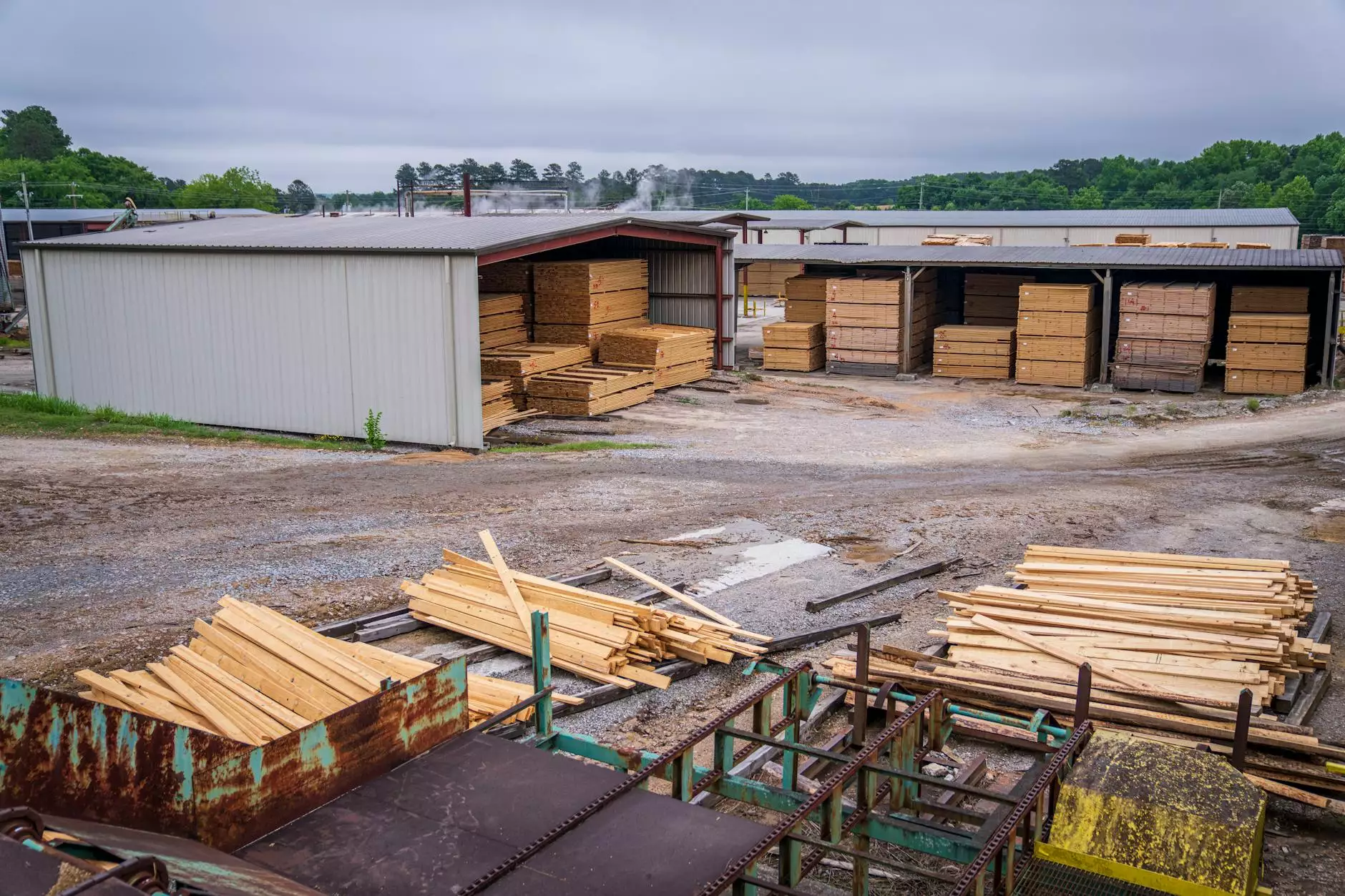
Unlocking Success in the Timber Merchant and Wood Supply Industry: A Comprehensive Guide to Business Growth

In the ever-evolving world of timber and wood supply, establishing a robust and sustainable business is both an art and a science. Whether you are a seasoned timber merchant or a budding wood supplier, understanding market trends, sourcing high-quality yet affordable materials, and positioning your enterprise for long-term success are essential. At Stary Timbers RO, we pride ourselves on being a leading timber merchant and wood supplier that not only provides superior timber products but also empowers businesses with expert insights into the industry. This extensive guide aims to equip you with actionable knowledge to excel in your business pursuits, including strategies to obtain *cheap wood pellets* without compromising quality.
Market Dynamics and Trends in the Timber and Wood Supply Industry
The timber and wood supply sector is characterized by dynamic fluctuations driven by global economic trends, environmental policies, technological innovations, and consumer preferences. Understanding these forces is fundamental for making informed business decisions.
Global Demand for Timber and Wood Products
- Construction Boom: Increased urbanization and infrastructure projects worldwide significantly boost demand for timber, especially in developing economies.
- Renewable Energy Initiatives: The push for sustainable energy sources amplifies demand for biomass fuels such as wood pellets.
- Furniture and Interior Design: The aesthetic appeal, durability, and natural appeal of wood keep it a preferred choice for furniture manufacturing and interior decor.
Environmental and Regulatory Influences
Strict environmental regulations and a rising emphasis on sustainable forestry promote responsible sourcing and certifications like FSC and PEFC. Businesses embracing eco-friendly practices gain a competitive edge and access to environmentally conscious markets.
Effective Business Strategies for Timber Merchants and Wood Suppliers
Success in the timber industry necessitates a combination of strategic planning, operational efficiency, and customer-centric practices. Here are several key strategies:
1. Diversification of Product Range
Offering a variety of timber products—from raw wood to processed veneers—can attract a broader customer base. Incorporating eco-friendly options like *cheap wood pellets* appeals to environmentally conscious clients seeking affordable biomass fuels.
2. Strong Supplier and Customer Relationships
Building trust through consistent quality, timely delivery, and competitive pricing fosters long-term partnerships. Engaging with reliable suppliers like Stary Timbers RO ensures access to premium materials and bulk discounts, especially on *cheap wood pellets*.
3. Embracing Technology for Operational Efficiency
Implementing enterprise resource planning (ERP) systems, inventory management software, and online sales platforms streamlines operations and enhances customer engagement. Transparency and ease of access to product information encourage repeat business.
4. Sustainability and Certification
Certifications demonstrate your commitment to responsible forestry, appealing to a global market increasingly focused on sustainability. Promoting eco-friendly products, including *cheap wood pellets* made from renewable sources, helps differentiate your business.
How to Source *Cheap Wood Pellets* Without Compromising Quality
One of the most competitive elements in the wood supply business is obtaining *cheap wood pellets* that meet quality standards. Below are some expert tips and considerations:
Understanding the Market for *Cheap Wood Pellets*
Wood pellets are a popular biomass fuel used in heating, power generation, and industrial processes. The demand for affordable *cheap wood pellets* has surged due to increasing environmental regulations and energy costs. To capitalize on this trend, sourcing *cheap wood pellets* requires careful evaluation of quality, origin, and supplier reliability.
Factors Influencing the Cost of Wood Pellets
- Raw Material Costs: Ferrous and non-ferrous wood by-products influence price fluctuations.
- Production Scale and Technology: Large-scale, automated pellet manufacturing reduces costs.
- Logistics and Transportation: Proximity to raw materials and markets minimizes expenses.
- Quality Standards and Certifications: Cheaper pellets may sometimes compromise quality; hence, demand transparency and consistent testing.
Strategies to Secure *Cheap Wood Pellets*
- Build Relationships with Reputable Producers: Establish direct partnerships with pellet manufacturers or large-scale timber businesses like Stary Timbers RO to negotiate bulk discounts.
- Attend Industry Fairs and Trade Shows: These events facilitate sourcing and networking with reliable suppliers offering competitive rates.
- Monitor Market Prices and Trends: Staying informed about price fluctuations helps you seize advantageous purchasing opportunities.
- Implement Rigorous Quality Checks: Ensure that *cheap wood pellets* adhere to appropriate standards, such as ENplus or DINplus, to guarantee optimal performance.
- Explore Alternative Raw Materials: Utilizing sawdust, wood shavings, or forestry residues can reduce costs in pellet production.
Advantages of Partnering with Stary Timbers RO in Your Business
As a trusted name in the timber merchant and wood supplier industry, Stary Timbers RO offers unparalleled advantages:
- High-Quality Timber Products: From raw timber to finished products, sourced from sustainably managed forests.
- Competitive Pricing: Expertise in procurement enables us to pass savings to our partners, including *cheap wood pellets* options.
- Reliability and Consistency: Timely deliveries and consistent product availability strengthen your supply chain.
- Environmental Commitment: Certification and sustainable practices align with modern eco-conscious business models.
- Expert Guidance: Industry insights and personalized support to optimize your procurement strategies.
The Future of the Timber and Wood Supply Business
The industry is poised for remarkable growth, driven by technological advancements, sustainability commitments, and expanding global markets. Key trends shaping the future include:
Innovation in Sustainable Timber Harvesting
Advances in forest management, drone technology, and AI-enabled planning improve efficiency while ensuring ecological balance, making responsibly sourced timber more accessible and affordable.
Development of Renewable Biomass Fuels
With the rise of renewable energy policies, biomass fuels such as *cheap wood pellets* become vital components of energy portfolios, boosting demand and prompting investments in efficient production methods.
Digital Transformation and Market Access
E-commerce platforms, blockchain for traceability, and online marketplaces enhance transparency and facilitate global trade partnerships, empowering businesses like yours to stay competitive.
Conclusion: Elevating Your Business in the Timber and Wood Supply Industry
In the rapidly expanding and environmentally conscious marketplace, success hinges on strategic sourcing, sustainable practices, and leveraging industry relationships. By fostering partnerships with reputable suppliers like Stary Timbers RO, diversifying your product offerings—including *cheap wood pellets*—and embracing technological innovations, your enterprise can thrive amidst competition.
The path to thriving in the timber merchant and wood supply industry involves continuous learning, adaptation, and commitment to quality. Remember, capturing emerging opportunities early—such as the increasing demand for affordable biomass fuels—can propel your business to new heights. Embark on this journey with confidence, knowing that with prudent strategies and reliable partnerships, your business can not only meet market demands but also set new standards for excellence.
Invest in quality, prioritize sustainability, and stay ahead of industry trends with Stary Timbers RO—your trusted partner in timber and wood supply success.